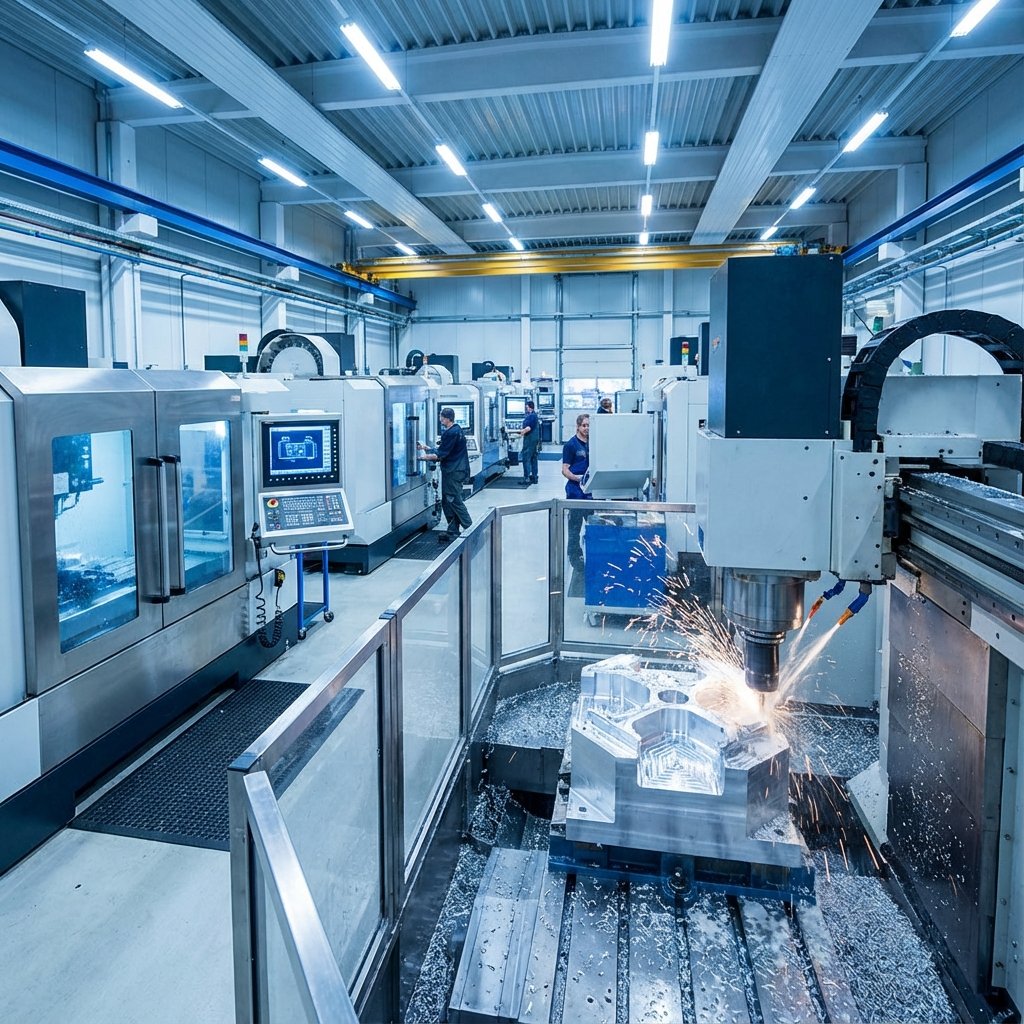
Plastic Injection Molding Machine
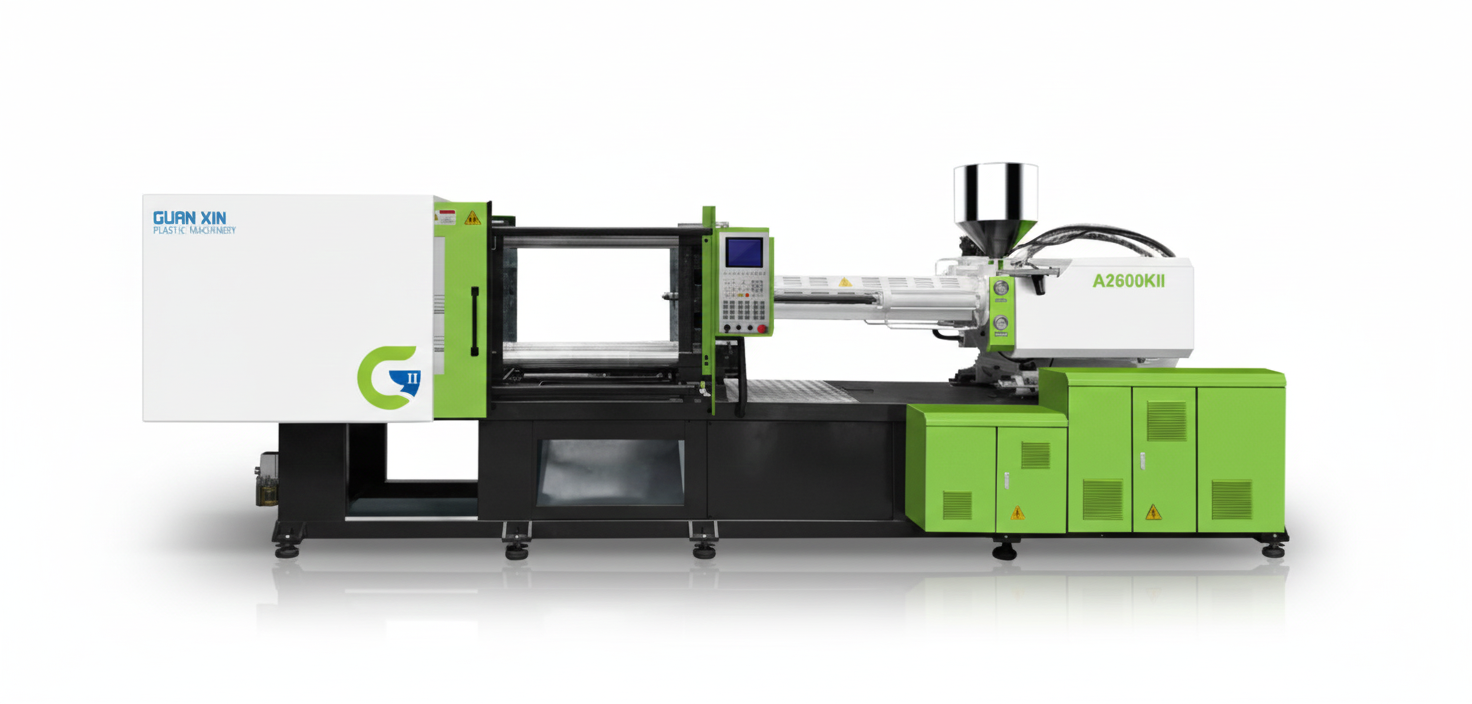
Advanced Plastic Injection Molding Solutions
BriidgeWithTrade offers comprehensive plastic injection molding machine solutions, delivering high-quality plastic components with exceptional precision and repeatability. Our state-of-the-art injection molding systems combine advanced technology with efficient operations to meet the demanding requirements of modern plastic manufacturing, from consumer products to automotive and medical applications. With extensive expertise in thermoplastic and thermoset processing, we deliver consistent quality across high-volume production runs while maintaining cost-effectiveness.
Our comprehensive range includes horizontal and vertical injection molding machines featuring servo-driven hydraulic systems, all-electric machines for precision applications, and hybrid systems combining the strengths of both technologies. These machines process a wide variety of thermoplastics (PP, PE, PVC, ABS, PA, PC, POM) and thermosets, producing components ranging from tiny precision microparts weighing milligrams to large industrial products weighing kilograms with consistent quality and optimal cycle times. Our portfolio spans clamping forces from 50 tons to 4000 tons, enabling production of components for virtually any application.
Comprehensive Plastic Injection Molding Technology
Plastic injection molding is a sophisticated manufacturing process that combines precise temperature control, high-pressure forcing, and rapid cooling to produce complex plastic components with exceptional dimensional accuracy and surface quality. Thermoplastic material is heated to melting temperature, injected at high pressure into a precision-engineered mold cavity, held under pressure during cooling and solidification, then ejected as a finished part. This cycle repeats hundreds of times per day, providing cost-effective high-volume manufacturing of complex geometry parts that would be difficult or impossible to produce through other methods.
Modern servo-driven injection molding systems employ sophisticated process control algorithms that monitor and adjust mold temperature, barrel temperature profile, injection pressure, holding pressure, and cooling time to optimize part quality and cycle efficiency. Real-time feedback from multiple sensors enables automatic compensation for material property variations, ambient temperature changes, and wear in mold components, ensuring consistent parts throughout production runs spanning thousands of cycles. All-electric machines provide even greater precision and repeatability while reducing energy consumption by 50-70% compared to conventional hydraulic systems.
The injection molding process produces minimal waste compared to subtractive manufacturing methods, as virtually all material becomes finished parts. Scrap rates typically remain below 2% even for the most challenging applications. Runners and gates are often recyclable and can be regrind into new material, further reducing material costs. This efficiency makes injection molding one of the most cost-effective production methods for high-volume component manufacturing.
Key Features & Capabilities
- Clamping force: 50 to 4000 tons
- Servo-hydraulic systems (±5% accuracy)
- All-electric machines available (±2% accuracy)
- Multi-component injection capability
- Precision mold clamping with force feedback
- Advanced temperature zone control
- Shot size: 5g to 50kg
- Energy-efficient hydraulic & electric drives
- Fast cycle times (3-60 seconds)
- Advanced PLC control systems
- Robotic automation integration ready
- Multi-cavity mold capability (1-64 cavities)
- Injection pressure: Up to 2500 bar
- Precise flow control systems
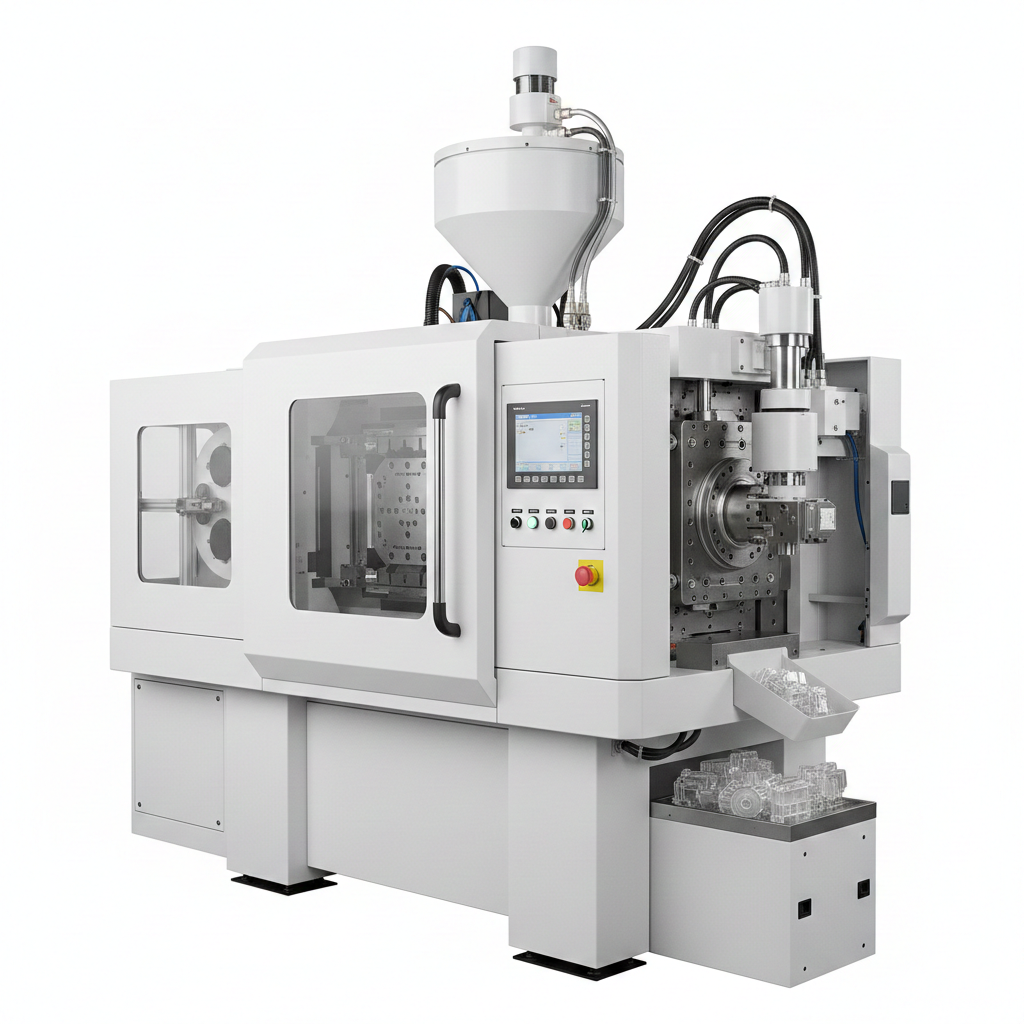
Injection Molding Processes & Capabilities
We provide comprehensive injection molding capabilities optimized for different applications and production requirements:
Standard Injection Molding
High-volume production of single-material plastic components with excellent repeatability and dimensional consistency. Ideal for consumer products, appliances, and industrial components requiring cost-effective manufacturing.
Insert Molding
Encapsulating metal or other inserts (threaded inserts, metal stakes, shafts) within plastic parts for enhanced functionality. Perfect for parts requiring metal components integrated during molding.
Overmolding / Multi-Material Molding
Multi-material molding combining different plastics or colors in single components. Enables production of sophisticated parts with multiple functional zones (soft-touch grips, color accents, different material properties).
Micro Injection Molding
Precision molding of miniature components (milligram-scale parts) for medical devices, electronics, and precision applications. Requires special equipment and expertise.
In-Mold Labeling (IML)
Precise label placement within molds during injection, eliminating secondary labeling operations. Ideal for consumer products requiring eye-catching graphics and professional appearance.
Compression Molding (Thermosets)
Processing of thermoset materials including phenolic, melamine, and polyester compounds for high-strength applications and electrical components.
Materials & Processing Specifications
Our injection molding machines handle a comprehensive range of engineering plastics:
Commodity Plastics
PP, PE, PS, PVC, ABS for cost-effective high-volume production of consumer and general industrial products
Engineering Plastics
PA (nylon), PC, POM, PBT for high-performance parts requiring strength, heat resistance, and dimensional stability
Specialty Plastics
PEEK, PPS, LCP, ULTEM for extreme temperature applications, medical devices, and aerospace components
Machine in Action
Watch our advanced injection molding machines in operation, demonstrating high-speed performance and precision.
Pipe Manufacturing Machine
Our state-of-the-art pipe manufacturing machines (extrusion lines) are engineered for high-efficiency production of PVC, HDPE, and PPR pipes. These machines deliver exceptional precision in wall thickness and diameter, ensuring high-quality output for industrial and domestic applications.
High-Performance Extrusion Technology
Our pipe manufacturing solutions incorporate advanced extrusion technology that guarantees uniform material distribution and superior structural integrity of the pipes. The system is designed for continuous operation with minimal downtime.
- Precision Extrusion: Advanced screw and barrel design for optimal melting and mixing.
- Vacuum Sizing: High-efficiency vacuum tanks for precise diameter control.
- Automated Haul-off: Synchronized haul-off units for consistent production speed.
- Smart Cutting: High-speed planetary or chipless cutting systems for clean finishes.
- Energy Efficient: Optimized heating and cooling systems to reduce power consumption.
Machine Specifications & Performance Parameters
| Specification | Range / Capability | Technical Details |
|---|---|---|
| Clamping Force | 50 Tons to 4000 Tons | Proportional to mold cavity requirements; larger forces for large parts or multi-cavity molds |
| Shot Size (Injection Volume) | 5g to 50kg | Varies with material density and mold dimensions; determines production speed |
| Injection Pressure | Up to 2500 bar | Servo systems maintain ±5% accuracy for hydraulic, ±2% for all-electric machines |
| Mold Plate Dimensions | Custom configurations available | Ranges from 150x150mm to 600x600mm+ depending on machine model |
| Control System | Advanced PLC with HMI touch screen | Real-time process monitoring, automatic compensation, data logging and trending |
| Cycle Time | 3 to 120 seconds | Depends on part complexity, material, and cooling requirements |
| Screw Speed | Up to 200 RPM | Controlled for optimal material mixing and residence time |
| Mold Temperature Control | ±2°C accuracy (servo-controlled) | Multiple temperature zones for precise thermal management |
| Barrel Temperature Range | Ambient to 350°C | Independent zones for optimal material plastification |
| Energy Efficiency | All-electric: 50-70% lower energy than hydraulic | Servo-hydraulic: 30-40% lower energy than conventional systems |
| Multi-Cavity Capability | 1 to 64 cavities | Enables high-volume economic production of identical parts |
| Production Rate | 100 to 10,000+ parts per day | Depends on cycle time, mold design, and clamping force |
Quality Control & Process Management
We maintain rigorous quality standards through comprehensive process control and inspection procedures:
- In-Process Monitoring: Real-time monitoring of barrel temperature, mold temperature, injection pressure, holding pressure, and cooling time with automatic logging
- Weight Monitoring: On-line part weight inspection with automatic rejection of parts exceeding tolerance limits
- Dimensional Verification: Statistical process control (SPC) with periodic dimensional checks using precision gauges and CMM equipment
- Visual Inspection: 100% visual inspection for surface defects, color consistency, gate marks, and cosmetic appearance
- Gate & Sprue Quality: Verification of clean gate separation and absence of gate stubs or cold spots
- Cavity Balance: Verification that all cavities in multi-cavity molds produce identical parts within tolerance
- Material Traceability: Complete documentation of material grade, lot number, processing parameters, and production date for each batch
- Material Testing: Periodic tensile testing, impact testing, and thermal analysis to verify material properties